Planning for growth is easy. Expanding a live GMP facility is not.
For pharmaceutical, biotech, and medical device manufacturers, facility expansion often brings a difficult challenge: how do you increase cleanroom capacity without disrupting ongoing operations, compromising contamination control, or triggering lengthy requalification processes?
Traditional cleanroom construction frequently requires extensive modifications to existing structures, utility systems, and workflows. In many cases, production interruptions become unavoidable.
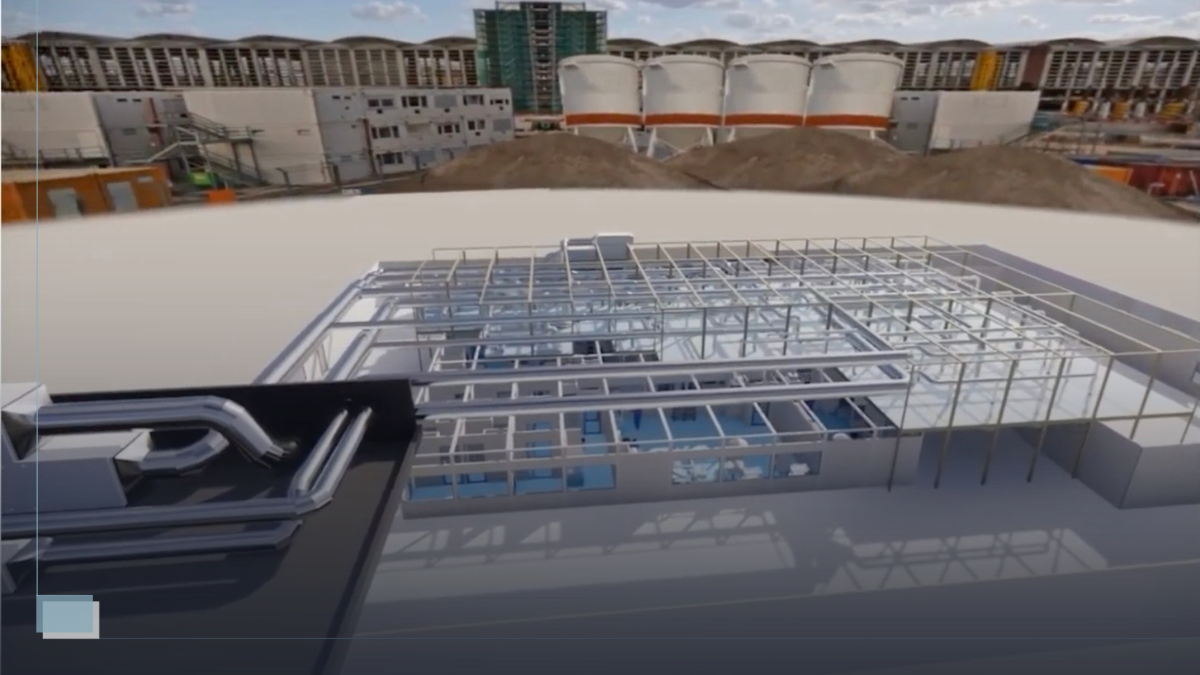
Modular cleanrooms offer a different approach. Because they are designed as prefabricated, self-contained systems, they can be integrated into existing facilities with significantly less disruption and greater predictability.
But how exactly do modular cleanrooms behave during expansion projects?
Maintaining Operational Continuity
One of the biggest advantages of modular construction is the ability to separate most construction activities from the operational environment.
Modules are manufactured and pre-assembled off-site while production continues inside the facility. Once delivered, installation becomes largely an assembly process rather than a full construction project.
This approach helps reduce:
- Noise and vibration in production areas
- Dust-generating construction activities
- Interference with daily operations
- Production downtime
For facilities operating under strict GMP requirements, minimizing operational disruption can translate into significant cost savings and reduced business risk.
Contamination Control During Module Addition
Expanding a conventional cleanroom often involves opening walls, modifying ceilings, and performing extensive work inside controlled environments.
Modular systems allow expansion zones to be physically isolated from operational areas throughout the installation process.
Typical contamination control measures include:
- Temporary containment barriers
- Segregated construction pathways
- Dedicated material transfer routes
- Controlled installation sequencing
- HEPA-filtered temporary environments
Because modules arrive largely finished, the amount of on-site work within classified areas is significantly reduced, helping maintain environmental integrity throughout the project.
Preserving Pressure Cascades and Airflow Regimes
Pressure differentials are critical for maintaining contamination control and product protection.
During facility expansion, introducing new rooms or production areas can disrupt established airflow patterns if not carefully managed.
Modular cleanrooms are typically designed with future expansion scenarios in mind. Engineers can model airflow and pressure relationships before installation begins, ensuring that:
- Existing pressure cascades remain stable
- New spaces integrate seamlessly into HVAC strategies
- Air change rates remain compliant
- Cross-contamination risks are minimized
In many projects, temporary pressure management strategies are implemented during installation, followed by a planned transition to the final operating configuration.
Utility Reconnection Strategies
Utilities are often the most complex aspect of any cleanroom expansion project.
HVAC, process gases, purified water, clean steam, compressed air, electrical systems, BMS connections, and data infrastructure must all be integrated without compromising ongoing operations.
Modular cleanrooms simplify this process by enabling:
- Pre-engineered utility interfaces: Connection points can be defined during design, reducing uncertainty during installation.
- Plug-and-play integration: Many utility systems are pre-routed within the modules before delivery, minimizing field work.
- Planned shutdown windows: Critical tie-ins can be executed during scheduled maintenance periods rather than extended facility shutdowns.
- Future-ready infrastructure: Additional utility capacity can be incorporated during initial project phases, making future expansions faster and more economical.
Phased Qualification: A Smarter Validation Approach
Validation requirements are often a major concern during expansion projects.
Rather than treating the expanded facility as a single large commissioning event, modular cleanrooms support phased qualification strategies.
A typical approach may include:
- Factory Acceptance Testing (FAT): Many systems are tested before shipment, reducing commissioning effort on site.
- Installation Qualification (IQ): Verification that modules and systems have been installed according to approved specifications.
- Operational Qualification (OQ): Confirmation that environmental controls, HVAC systems, alarms, and critical utilities perform as intended.
- Performance Qualification (PQ): Demonstration that the expanded cleanroom consistently supports the intended manufacturing process.
Because modules are delivered in highly controlled and repeatable configurations, qualification activities often become more predictable and easier to document.
Building for Scalability from Day One
Perhaps the greatest advantage of modular cleanrooms is that expansion can be considered from the very beginning of a project.
Facilities can be designed with:
- Future connection points
- Reserved utility capacity
- Expandable HVAC architecture
- Modular wall interfaces
- Flexible production layouts
This transforms expansion from a disruptive construction project into a planned operational upgrade.
Conclusion
Facility growth should not force manufacturers to choose between increased capacity and operational stability.
Modular cleanrooms provide a practical pathway for expansion by enabling controlled module additions, preserving contamination control, maintaining pressure regimes, simplifying utility integration, and supporting phased qualification strategies.
For organizations expecting future growth, scalability is no longer something to solve later. With modular design, it can be built into the facility from the start.
At NAYA Life Sciences, we design prefabricated modular cleanroom solutions that support both today’s production requirements and tomorrow’s expansion plans—allowing facilities to grow with greater speed, flexibility, and confidence.